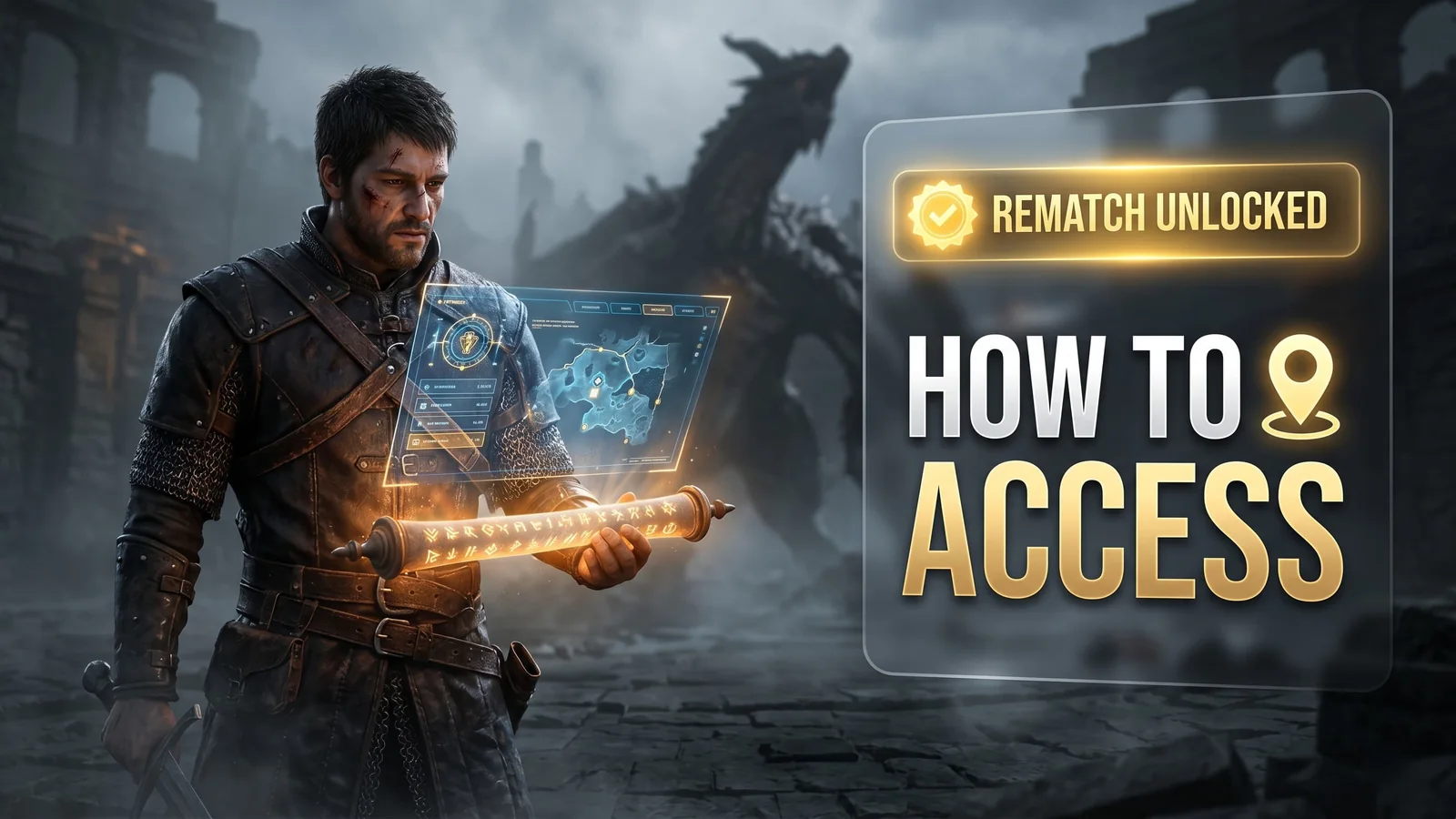
How to Access Crimson Desert's New Boss Rematch System
Crimson Desert patch 1.05.00 adds a Boss Rematch system that lets players re-fight defeated bosses through Memory Fragments, with Reminisce and Resonate modes for practice and scaled challenges.
Explore action RPG deals and upgrade your library with games built around deep combat, bosses, exploration, and progression.
Crimson Desert's patch 1.05.00 introduces the highly requested Boss Rematch system, allowing players to re-fight any of 69 defeated bosses at any time. This comprehensive guide covers everything you need to know about accessing Memory Fragments, understanding the two available modes, and mastering the rematch mechanics to perfect your combat skills.
Requirements and Prerequisites
Before you can access the Boss Rematch system, you'll need to meet several basic requirements that ensure you have the necessary tools and progression to use this feature effectively.
Essential Equipment
The Visione Device: You must possess the Visione to access Memory Fragments and initiate boss rematches. This device is obtained through main story progression and is required for the rematch interface to function.
Lantern: Your standard lantern serves as the activation mechanism for Memory Fragments. You'll use this to light up Memory Fragment sites and trigger the rematch interface.
Character Progression: Any character (Kliff, Oongka, or Damiane) can initiate and participate in boss rematches, giving you flexibility in testing different playstyles against familiar opponents.
Boss Defeat Requirement
The fundamental prerequisite for any boss rematch is having previously defeated that specific boss during normal gameplay. Memory Fragments only become active after you've successfully overcome a boss encounter, ensuring the rematch system serves as a practice and experimentation tool rather than a story bypass mechanism.
Initial Victory: Each boss must be defeated at least once through standard progression before their Memory Fragment becomes available.
No Time Limit: There's no expiration on Memory Fragments - once a boss is defeated, their rematch option remains permanently available.
Character Independence: While any character can initiate a rematch, the boss defeat achievement applies account-wide rather than per-character.
Check Our Complete Crimson Desert Guide →
Understanding Memory Fragments
Memory Fragments serve as the core mechanism for the Boss Rematch system, creating a lore-friendly way to revisit past encounters while providing clear navigation and accessibility features.
What Are Memory Fragments
Memory Fragments represent crystallized memories of significant encounters that occurred at specific locations throughout Pywel. These mystical remnants allow players to relive and re-experience boss battles by tapping into the spiritual echoes left behind by powerful opponents.
Lore Integration: Memory Fragments fit naturally into Crimson Desert's world-building, utilizing the game's mystical elements to justify the rematch mechanic without breaking immersion.
Visual Indicators: Active Memory Fragment locations display distinctive visual markers both on your minimap and in the game world, making them easy to identify during exploration.
Permanent Placement: Once activated, Memory Fragments remain at their original encounter locations indefinitely, creating consistent reference points for players.
Locating Memory Fragments
The game provides multiple methods for finding Memory Fragment locations, ensuring players can easily navigate to desired rematch encounters regardless of their current position in the world.
Journal Navigation Method
Step 1: Open your Journal interface from the main menu.
Step 2: Navigate to Knowledge > Memory Fragments > Bosses tab.
Step 3: Browse the complete list of defeated bosses available for rematch.
Step 4: Select any boss from the list to view detailed information.
Step 5: Click "Open Map" in the bottom right corner to automatically navigate to that boss's Memory Fragment location.
This method provides the most comprehensive overview of available rematches while offering direct navigation to any specific encounter.
Map and Minimap Indicators
World Map Markers: Memory Fragment locations appear as distinctive icons on the world map, allowing you to plan routes and identify nearby rematch opportunities during exploration.
Minimap Display: When approaching Memory Fragment areas, your minimap will display the appropriate indicators to guide you to the exact interaction point.
Visual Consistency: All Memory Fragment markers use consistent iconography across different interface elements, making them immediately recognizable.
Activation Process
Once you've located a Memory Fragment site, the activation process follows a simple but thematically appropriate sequence that maintains immersion while providing clear interaction feedback.
Approach the Location: Travel to the exact spot where you originally fought the boss. This location will now feature a distinctive Memory Fragment marker and interaction point.
Light Your Lantern: Equip and activate your lantern when near the Memory Fragment site. The lantern serves as both a practical tool and a ritual component for accessing stored memories.
Read the Memory Fragment: With your lantern lit, interact with the Memory Fragment to access the stored battle memory. This triggers the rematch selection interface.
Select Rematch Mode: Choose between Reminisce and Resonate modes (detailed below) to customize the encounter difficulty and experience.
Begin the Battle: Confirm your selection to instantly transport into the rematch encounter with your chosen parameters.
Browse Best Gaming Gear for RPGs →
Two Rematch Modes Explained
The Boss Rematch system offers two distinct modes that cater to different player preferences and goals, allowing for both nostalgic revisiting and challenging scaled encounters.
Reminisce Mode
Reminisce mode recreates the original boss encounter exactly as it occurred during your first playthrough, maintaining the authentic difficulty and experience you initially faced.
How Reminisce Mode Works
Original Stats: The boss retains their exact statistics from the first encounter, including health, damage output, resistances, and behavioral patterns.
Unchanged Mechanics: All attack patterns, phase transitions, and special abilities function identically to the original fight.
Power Differential: If you've significantly progressed since the original encounter, this mode will likely feel much easier than your first experience.
Nostalgic Experience: Perfect for players who want to relive memorable encounters or demonstrate how much stronger they've become.
When to Use Reminisce Mode
Progress Assessment: Test how much your character has improved since the original encounter by experiencing the difference in difficulty.
Revenge Battles: Get satisfaction by easily defeating bosses that previously gave you significant trouble.
Screenshot Opportunities: Capture impressive combat footage or screenshots without worrying about challenging difficulty.
Story Revisiting: Re-experience memorable story moments and boss encounters without mechanical interference.
Build Testing: Safely test new equipment or ability combinations against familiar opponents without risk of failure.
Resonate Mode
Resonate mode dynamically scales boss statistics to match your current character progression, ensuring fights remain challenging and engaging regardless of your advancement.
How Resonate Mode Works
Stat Scaling: Boss health, damage, and other key statistics automatically adjust upward to match your current character level and equipment.
Ability Preservation: While stats scale up, bosses retain their original attack patterns and special abilities - they don't gain new moves.
Conditional Scaling: Scaling only occurs if your current stats exceed the boss's original values. If you're still at or below the original encounter level, the fight remains unchanged.
Fair Challenge: Creates a balanced encounter that tests your current skills without becoming impossibly difficult.
Strategic Applications
Skill Practice: Maintain challenging encounters for practicing combat mechanics, timing, and strategy execution.
Build Optimization: Test different equipment setups and ability combinations against appropriately challenging opponents.
Endgame Content: Provides meaningful combat challenges for high-level players who have outgrown most regular encounters.
Competitive Preparation: Practice against scaled opponents to maintain combat readiness for other challenging content.
Achievement Goals: Some players use Resonate mode to create self-imposed challenges or achievement runs.
Step-by-Step Access Guide
Follow this detailed walkthrough to successfully access and utilize the Boss Rematch system from initial setup through combat engagement.
Phase 1: Preparation
Verify Requirements: Confirm you possess the Visione device and have previously defeated the desired boss.
Check Equipment: Ensure your preferred character has appropriate gear for the intended rematch mode and difficulty level.
Plan Your Approach: Decide whether you want to use Reminisce mode for easy practice or Resonate mode for challenging engagement.
Gather Consumables: Stock up on healing items, buffs, and other consumables - though these will be restored after the battle, having them available provides peace of mind.
Phase 2: Navigation
Open Your Journal: Access the main menu and navigate to the Journal interface.
Browse Available Bosses: Go to Knowledge > Memory Fragments > Bosses to view your complete list of available rematches.
Select Target Boss: Choose the specific boss you want to challenge and review their information.
Navigate to Location: Use the "Open Map" button to automatically set a waypoint to the Memory Fragment location.
Travel to Site: Use fast travel, mounts, or manual navigation to reach the designated Memory Fragment area.
Phase 3: Activation
Locate the Fragment: Look for the distinctive Memory Fragment marker at the original boss encounter location.
Equip Your Lantern: Ensure your lantern is equipped and ready for use.
Light the Lantern: Activate your lantern when standing near the Memory Fragment site.
Interact with Fragment: Use the interaction prompt to read the Memory Fragment and access the rematch interface.
Configure Settings: Select your preferred rematch mode (Reminisce or Resonate) based on your goals.
Phase 4: Combat Engagement
Final Preparation: Review your equipment, abilities, and strategy before confirming the rematch.
Initiate Battle: Confirm your selections to begin the boss rematch encounter.
Execute Strategy: Apply your practiced combat techniques, using the rematch as an opportunity to refine your approach.
Complete or Exit: Finish the encounter successfully or use escape options if needed - consumables will be restored either way.
Review Performance: After the battle, assess your performance and consider whether additional practice would be beneficial.
Boss Selection and Management
With 69 bosses available for rematch, understanding how to efficiently navigate and manage your encounters becomes essential for maximizing the system's utility.
Complete Boss Roster
The rematch system covers virtually every significant boss encounter throughout Crimson Desert's campaign, from early tutorial opponents to endgame challenges.
Boss Categories
Story Bosses: Major antagonists and significant encounters tied to main quest progression.
Regional Champions: Powerful enemies that control specific areas or strongholds throughout Pywel.
Optional Encounters: Hidden or side-quest bosses that players might have missed or want to revisit.
Mini-Bosses: Substantial encounters that, while not full boss fights, provide meaningful challenge and practice opportunities.
Organizational Features
The Journal interface provides several tools for efficiently managing your rematch collection and finding specific encounters.
Alphabetical Sorting: Bosses are organized alphabetically for quick reference and location.
Progress Tracking: Visual indicators show which bosses you've defeated and how recently you've attempted rematches.
Location Information: Each entry includes the specific region and area where the Memory Fragment can be found.
Difficulty Indicators: Some interface elements provide hints about the original encounter difficulty or recommended level.
Search Functionality: Advanced players can use filters to find specific types of encounters or bosses from particular story segments.
Strategic Selection
Different bosses serve different purposes within your training and experimentation routine.
Skill Practice Targets: Choose bosses with specific mechanics you want to master, such as timing-based attacks or complex movement patterns.
Equipment Testing: Select encounters that stress-test particular aspects of your build, such as damage output, defense, or resource management.
Comfort Zone Expansion: Use rematches to practice against boss types or attack patterns you typically struggle with.
Achievement Preparation: Some players use specific boss rematches to prepare for particular achievements or challenges.
Consumable and Inventory Management
The rematch system includes intelligent inventory management that removes the burden of resource consumption while maintaining authentic combat stakes.
Restoration Mechanics
Pre-Battle Snapshot: The system takes a complete inventory snapshot before entering any rematch encounter.
Automatic Restoration: Upon battle completion (whether through victory, defeat, or manual exit), all consumed items are restored to their pre-battle quantities.
No Loss Risk: Players can freely use expensive consumables, rare items, or limited-use abilities without permanent cost.
Authentic Stakes: Despite restoration mechanics, battles maintain their tension and engagement since consumables are still required for survival during the encounter.
Strategic Implications
Unrestricted Experimentation: Test expensive or rare consumables without worrying about wastage or opportunity cost.
Build Optimization: Try different consumable combinations to find optimal loadouts for various encounter types.
Learning Opportunities: Use powerful consumables to overcome challenging phases while learning attack patterns and timing.
Resource Education: Understand the value and application of various consumables in challenging encounters without permanent investment.
Rewards and Progression
Currently, the Boss Rematch system focuses on skill development and experimentation rather than material rewards, though this may change in future updates.
Current Reward Structure
No Loot Drops: Boss rematches do not provide additional equipment, currency, or material rewards beyond the original encounter.
Experience Limitation: Defeated bosses in rematch mode do not grant character experience or progression points.
Skill Development: The primary reward is improved combat proficiency, timing mastery, and strategic understanding.
Personal Satisfaction: Many players find significant value in conquering previously difficult encounters or achieving personal performance goals.
Future Possibilities
Pearl Abyss has indicated that the reward structure may evolve in future patches based on player feedback and system refinement.
Potential Additions: Future updates might include special achievements, cosmetic rewards, or unique materials for rematch participation.
Community Feedback: Developer statements suggest they're monitoring player usage patterns and requests for enhanced reward systems.
Balanced Implementation: Any future rewards will likely be designed to encourage participation without trivializing the main game's progression systems.
Check Our Gaming Strategy Guides →
Character Switching and Flexibility
The rematch system's character flexibility provides unique opportunities for experiencing encounters from different perspectives and playstyles.
Multi-Character Access
Universal Availability: Any of your characters (Kliff, Oongka, Damiane) can initiate and participate in boss rematches regardless of which character originally defeated the boss.
Unique Perspectives: Each character brings different abilities, playstyles, and strategic approaches to the same encounter.
Skill Comparison: Direct comparison between character capabilities against identical opponents provides valuable insight into their strengths and weaknesses.
Story Integration: Experience significant encounters from alternative character perspectives for enhanced narrative understanding.
Strategic Character Selection
Kliff's Approach: Balanced combat style suitable for learning fundamental boss mechanics and attack patterns.
Oongka's Style: Unique abilities and techniques that may provide alternative solutions to specific boss challenges.
Damiane's Methods: Distinct tactical options that can reveal different strategic approaches to familiar encounters.
Optimal Matchups: Some characters may be naturally better suited for specific boss types or mechanics, allowing for targeted practice.
Technical Performance and Optimization
The Boss Rematch system integrates seamlessly with Crimson Desert's existing technical infrastructure while providing smooth, responsive combat experiences.
System Integration
Loading Performance: Rematch encounters load quickly without extended transition times or technical interruptions.
Graphics Consistency: Visual quality and effects maintain the same standards as original encounters without degradation.
Audio Design: Sound effects, music, and voice acting remain authentic to the original boss encounter experience.
Input Responsiveness: Combat controls and timing remain precisely calibrated for optimal gameplay experience.
Platform Optimization
Console Performance: PS5 and Xbox Series X|S versions maintain stable frame rates and visual quality during rematch encounters.
PC Scalability: PC version adapts to various hardware configurations while preserving core gameplay experience.
Cross-Platform Consistency: Core mechanics and timing remain identical across all supported platforms.
Update Integration: The rematch system receives regular optimization and refinement through ongoing patch releases.
Common Issues and Troubleshooting
While the Boss Rematch system generally functions smoothly, understanding common issues and their solutions helps ensure optimal experience.
Access Problems
Missing Visione: If you cannot access Memory Fragments, verify that you've progressed far enough in the main story to obtain the Visione device.
Invisible Fragments: Some players report Memory Fragments not appearing at expected locations - try reloading the area or verifying the exact coordinates through the Journal interface.
Interface Bugs: Occasional interface glitches may prevent proper mode selection - closing and reopening the Memory Fragment interface usually resolves these issues.
Character Restrictions: While any character should be able to access rematches, some players report temporary restrictions - switching characters and returning often resolves this problem.
Combat Issues
Scaling Problems: If Resonate mode scaling seems inappropriate, verify that your character stats actually exceed the original boss requirements.
Consumable Restoration: In rare cases, consumables may not restore properly after battle completion - manual save/load cycles usually correct this issue.
Progress Tracking: Some players report rematch attempts not being tracked properly in statistics - this is typically a display issue that doesn't affect actual functionality.
Performance Solutions
Frame Rate Drops: If rematch encounters experience performance issues, try adjusting graphics settings or restarting the game client.
Audio Desync: Occasional audio timing problems can be resolved by adjusting audio settings or updating sound drivers.
Loading Delays: Extended loading times for rematch encounters may indicate storage drive issues or insufficient system memory.
Advanced Strategies and Tips
Maximize your Boss Rematch experience with these advanced techniques and strategic approaches developed by experienced players.
Optimal Practice Routines
Progressive Difficulty: Start with Reminisce mode to refamiliarize yourself with boss patterns, then switch to Resonate mode for challenging practice.
Focused Sessions: Rather than random rematch attempts, focus on specific bosses that represent particular skills or mechanics you want to master.
Character Rotation: Use different characters against the same boss to develop comprehensive understanding of various tactical approaches.
Pattern Recognition: Use rematches to study and memorize attack patterns, timing windows, and optimal counter-strategies.
Build Testing Methodology
Controlled Environment: Use Reminisce mode to establish baseline performance with new equipment or ability combinations.
Stress Testing: Switch to Resonate mode to test build effectiveness under appropriate challenge levels.
Comparative Analysis: Fight the same boss with different builds to directly compare their effectiveness and efficiency.
Optimization Cycles: Use rematch feedback to iteratively refine equipment choices, ability selections, and strategic approaches.
Long-Term Skill Development
Muscle Memory: Regular rematch practice helps develop consistent timing and execution for complex combat sequences.
Adaptability Training: Face various boss types regularly to maintain versatility and prevent over-specialization.
Challenge Escalation: As your skills improve, focus increasingly on Resonate mode encounters to maintain appropriate challenge levels.
Community Sharing: Share strategies, techniques, and insights with other players to accelerate collective learning and mastery.
Conclusion
Crimson Desert's Boss Rematch system represents a significant enhancement to the game's long-term playability and skill development opportunities. By providing easy access to 69 different boss encounters through the Memory Fragment system, players can continuously refine their combat abilities, test new strategies, and experience memorable encounters from fresh perspectives.
The dual-mode approach (Reminisce and Resonate) ensures that the system serves both nostalgic revisiting and serious skill development needs. Whether you want to relive epic victories, practice challenging mechanics, or test new character builds, the rematch system provides a comprehensive framework for ongoing engagement with Crimson Desert's combat systems.
As Pearl Abyss continues to refine and expand this feature through future patches, the Boss Rematch system is likely to become an even more central component of the Crimson Desert experience. Take advantage of this powerful tool to master the game's challenging combat and unlock your full potential as a warrior of Pywel.
Looking to enhance your Crimson Desert experience? Check our complete character guide and combat mastery tips for advanced strategies.
Recommended paths
Recommended next steps
Continue with useful related pages selected for this article.
Action RPG Game Deals
Explore action RPG deals and upgrade your library with games built around deep combat, bosses, exploration, and progression.
Halo Campaign Evolved game hub
Continue into the Shooter game hub for related coverage, deals, and fixes.
Check whether your PC is ready for Halo Campaign Evolved
Compare your setup with available PC requirements before you install, buy, or upgrade.
Halo Campaign Evolved updates and patch notes
Use the patch notes hub to follow recent updates, hotfixes, and game changes.
Latest game updates
Follow recent patches, hotfixes, update notes, and player-facing changes.
Error Code Checker
Look up connection, launcher, anti-cheat, console, and multiplayer error fixes.
Minecraft Bedrock 26.20 Update Adds Sulfur Cubes and Party System
Continue with a related guide selected from Primvo's connected coverage.
Continue Exploring
Choose another useful Primvo section when you want more context, deals, guides, or game pages.
Error Code Checker
Look up connection, crash, launcher, console, and multiplayer error codes.
Server Status
Check common service issues before changing settings or reinstalling a game.
Gear
Explore setup picks and accessories that can improve comfort and stability.
Deals
Find current offers, bundles, and useful digital picks.
Related Games
View all games
Halo Campaign Evolved
Halo Campaign Evolved is an upcoming game tracked for 28 Jul 2026, with PC, PlayStation 5, Xbox Series S/X availability signals and useful launch-day next steps.

Below, Rusted Gods
Below, Rusted Gods is an upcoming game tracked for 29 Jul 2026, with PC (Microsoft Windows) availability signals and useful launch-day next steps.

Lost Ark
Lost Ark update hub with patch notes, PC requirements, deal paths, and player tools.

Lily Fantasia
Lily Fantasia is an upcoming game tracked for 29 Jul 2026, with Linux, PC (Microsoft Windows), Mac, Nintendo Switch availability signals and useful launch-day next steps.
Keep Reading
Open everything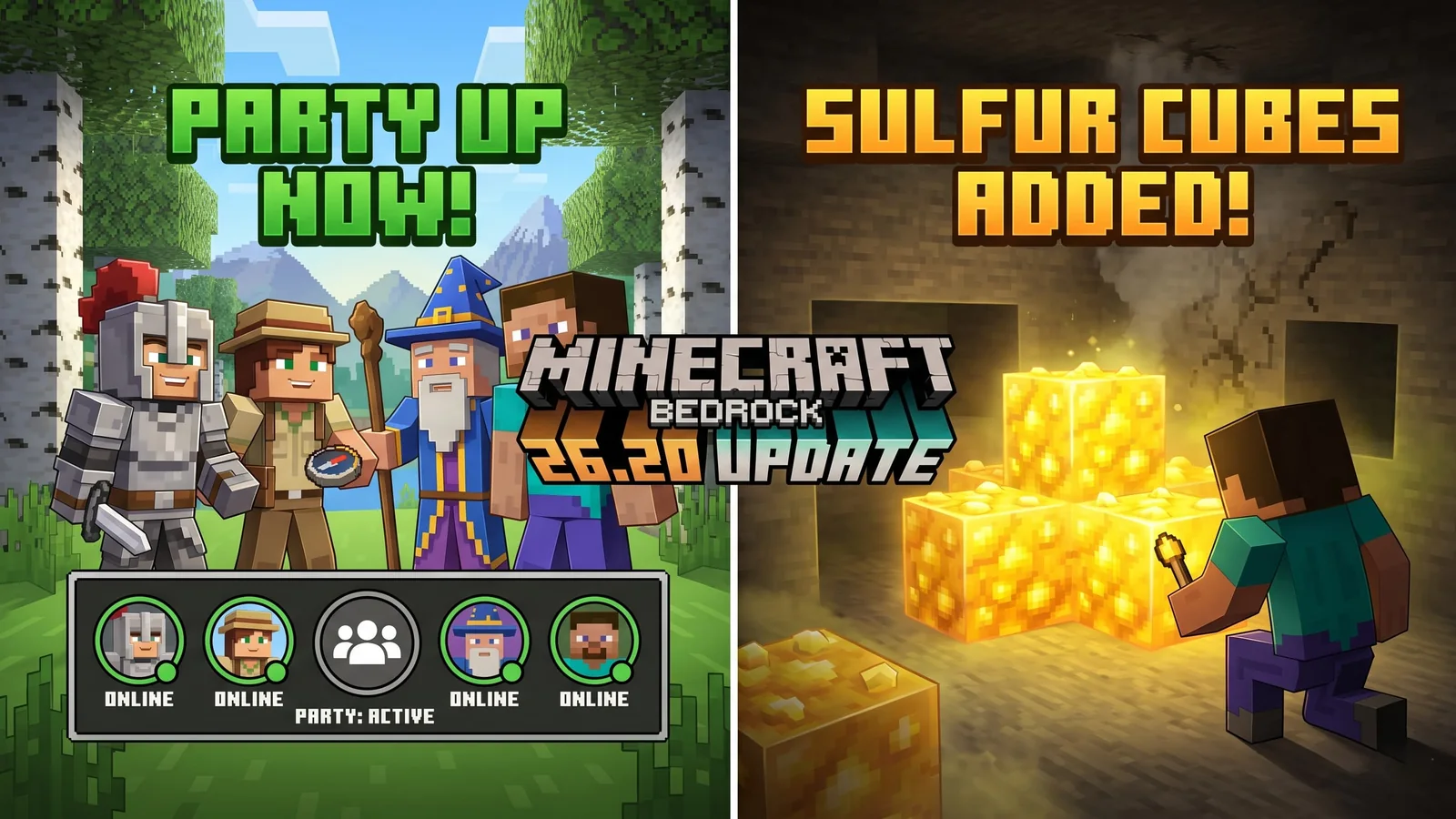
Minecraft Bedrock 26.20 Update Adds Sulfur Cubes and Party System
Minecraft Bedrock 26.20 is live with Chaos Cubed experimental features, including Sulfur Cubes, Sulfur Springs, Potent Sulfur, Sulfur Caves, the new Party System beta, and Realm Hub changes.
War Thunder Server Maintenance Notice (June 9th): What Players Should Check Before Changing Settings
War Thunder players may be affected by a fresh service update. Here is what to check first, what could be affected, and when to wait before changing settings.
Apex Legends Matchmaking Tests Update: What Players Should Check Before Changing Settings
Apex Legends players may be affected by a fresh service update. Here is what to check first, what could be affected, and when to wait before changing settings.