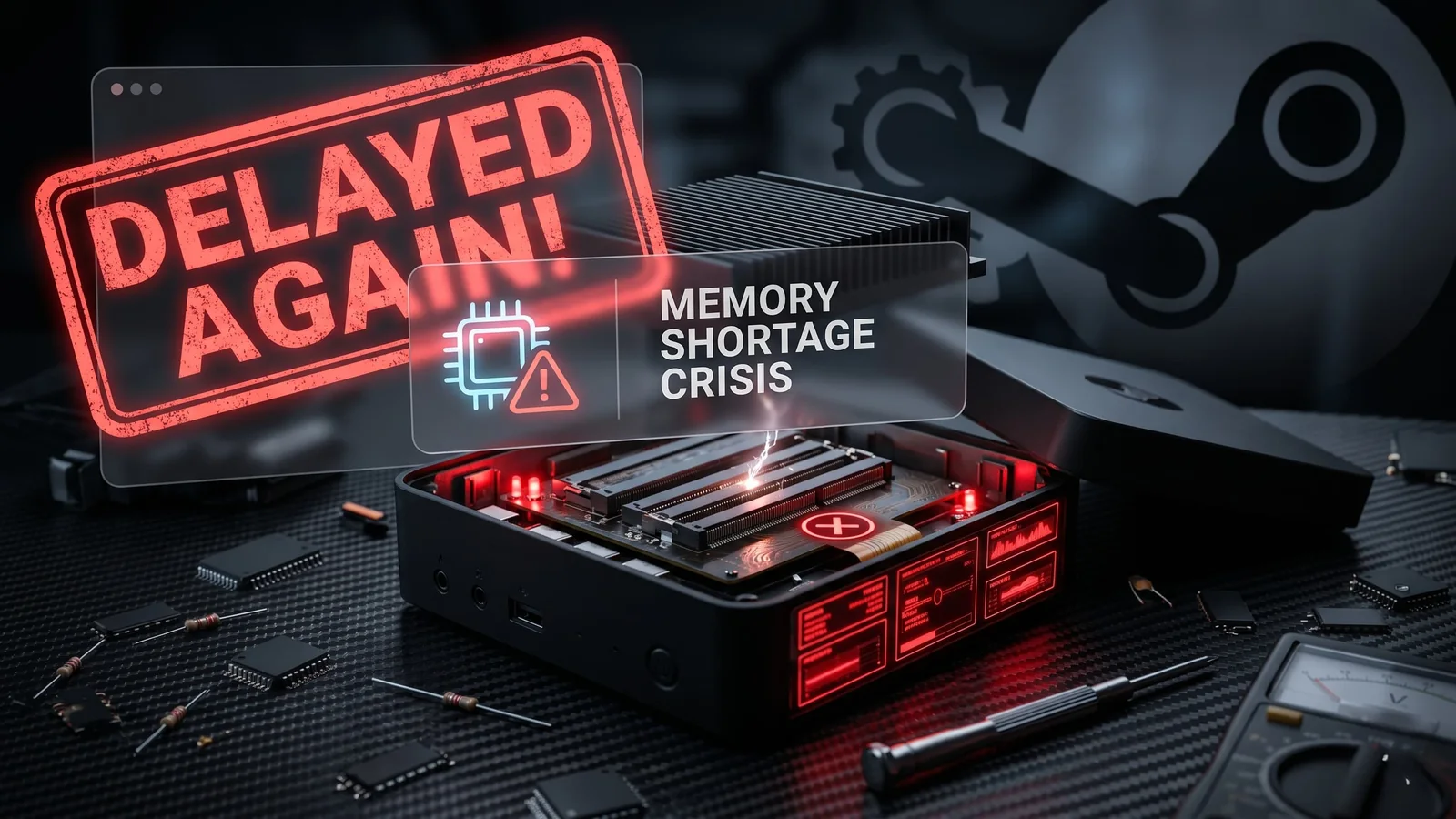
Steam Machine Delayed AGAIN as Memory Shortage Hits Valve Hard
Valve's highly anticipated Steam Machine faces another crushing delay as the global memory crisis continues to devastate hardware launches across the industry.
Updated 135 days ago. Server notices can affect logins, matchmaking, downloads, store access, and party systems.
Explore available PC gaming hardware options while Steam Machine availability remains uncertain.
Valve's highly anticipated Steam Machine faces another crushing delay as the global memory crisis continues to devastate hardware launches across the industry. While the Steam Controller escapes unscathed with a confirmed May 4 release at $99, the Steam Machine and Steam Frame VR headset remain trapped in development limbo with no concrete launch dates.
The RAM Crisis Explained
The tech industry is currently experiencing what analysts call "RAMageddon" - a perfect storm of memory shortages driven by explosive AI data center demand. DRAM contract prices have skyrocketed over 170% compared to last year, with hyperscalers like Google, Microsoft, and Meta securing direct supply contracts that leave smaller manufacturers struggling for scraps.
Valve hardware engineer Steve Cardinali explained the brutal reality to Polygon: "The Steam Controller doesn't need RAM, so it's significantly less complex to manufacture and distribute compared to the full Steam Machine system." This fundamental difference has created a stark divide in Valve's hardware roadmap.
The Numbers Behind the Crisis
The memory shortage isn't just theoretical - it's hitting Valve's entire hardware ecosystem:
Steam Deck: Completely out of stock globally, with the $399 LCD model permanently discontinued.
Steam Machine: Requires 16GB DDR5 RAM plus 8GB GDDR6 VRAM - exactly the components in shortest supply.
Steam Frame VR: Needs 16GB LPDDR5X memory, making it equally vulnerable to supply constraints.
Steam Controller: Contains zero RAM or storage, making it immune to the crisis.
The stark contrast explains why only the controller can hit its May 4 launch window while everything else slides into uncertainty.
Find Gaming Hardware Alternatives →
Valve's Strategic Response
Facing an impossible supply situation, Valve made the pragmatic decision to split its hardware launches rather than delay everything indefinitely. The company shifted from "all or nothing" to what industry observers call "surgical strikes" - launching products that can actually reach market.
Steam Controller Priority: At $99, it generates revenue without consuming scarce memory components.
Revenue Generation: Controller sales help finance solutions for the delayed products.
Supply Chain Immunity: By decoupling the controller from RAM-dependent devices, Valve ensures at least one successful launch.
The strategy represents a masterclass in crisis management, but it leaves eager Steam Machine customers in limbo with no clear timeline for resolution.
Industry-Wide Impact
Valve isn't alone in facing these constraints. The memory crisis has triggered delays, cancellations, and price hikes across the gaming hardware industry:
Meta Quest 3: Hiked prices specifically citing the RAM crisis.
Sony PS5 Pro: Increased manufacturing costs forcing retail price adjustments.
Microsoft Surface Devices: Rumored delays and premium pricing for next-generation models.
Handheld PC Market: Multiple manufacturers postponing launches or dramatically increasing prices.
Even established console manufacturers with massive purchasing power are feeling the pressure. Smaller companies like Valve face exponentially worse conditions when competing against AI giants for limited memory supplies.
AI's Role in the Crisis
The root cause traces directly to the artificial intelligence boom. Data centers supporting ChatGPT, Claude, Google Bard, and countless AI services require massive amounts of high-speed memory. These hyperscalers sign exclusive supply contracts worth billions, effectively removing entire production runs from consumer hardware availability.
According to TrendForce, AI data centers now consume over 40% of global DRAM production, a figure that would have been unthinkable just two years ago. This fundamental shift in demand has restructured the entire memory market, leaving traditional consumer electronics fighting for increasingly expensive scraps.
Steam Machine's Technical Demands
Understanding why the Steam Machine faces such severe delays requires examining its technical specifications. Unlike the relatively simple Steam Controller, Valve's Linux-based console represents one of the most memory-intensive gaming devices ever planned.
System Memory: 16GB DDR5 RAM for game processing and SteamOS operations.
Graphics Memory: 8GB GDDR6 VRAM for 4K gaming performance.
Storage Controller: Advanced NVME solutions requiring additional memory chips.
AI Acceleration: Planned support for local AI features demanding even more memory bandwidth.
Each Steam Machine unit consumes memory components that could supply multiple smartphones or several laptops. In the current market, manufacturers must choose between producing one Steam Machine or dozens of other devices with better profit margins.
Pricing Implications
The memory shortage doesn't just affect availability - it's fundamentally altering Steam Machine economics. Industry analyst Mat Piscatela suggests the console could retail for $1,000 or more if component costs remain elevated, a massive increase from earlier $600-800 projections.
Original Target: $600-700 for mass market appeal
Current Estimates: $900-1,200 due to component costs
Competitive Position: Approaching high-end gaming PC prices rather than console-level accessibility
Profit Margins: Valve may face significant losses per unit even at premium pricing
This pricing reality threatens the Steam Machine's core value proposition. If the console costs more than equivalent gaming PCs, its appeal diminishes dramatically among the price-conscious audience Valve originally targeted.
The Steam Deck Parallel
The Steam Machine delay echoes problems already visible with Valve's handheld gaming PC. Steam Deck inventory has been virtually nonexistent since February 2026, with restocks lasting minutes before selling out completely.
The $399 Steam Deck LCD model was permanently discontinued rather than continuously disappointing customers with unavailability. Only the premium OLED version remains in production, and even that suffers from chronic shortages.
Customer frustration with Steam Deck availability has reached critical levels. Steam forums, Reddit communities, and social media overflow with complaints about Valve's inability to meet demand for existing products, let alone launch new ones.
Check Our Gaming Setup Guide →
Timeline Uncertainty
Unlike typical hardware delays with revised launch windows, the Steam Machine faces open-ended uncertainty. Valve's latest statements deliberately avoid specific commitments:
Previous Commitment: "First half of 2026"
Current Position: "Shipping all three products this year"
Reality Check: No concrete dates, pricing, or availability projections
The vague language reflects Valve's recognition that memory market conditions could change rapidly. Component prices that spike 20% in a week make long-term planning nearly impossible.
Hardware engineer Cardinali noted that circumstances around pricing and dates "can change quickly," acknowledging Valve's limited control over external market forces driving the delays.
Competition Takes Advantage
While Valve struggles with supply constraints, competitors are positioning themselves to capture frustrated customers. Several companies have accelerated their own gaming hardware roadmaps to fill the vacuum.
Asus ROG Ally: Expanded production and availability targeting Steam Machine's audience
Lenovo Legion Go: Aggressive pricing and marketing during Steam hardware shortages
GPD and OneXPlayer: Smaller manufacturers gaining market share with available products
DIY Solutions: Custom builds using available components at lower total costs
The delay gives competitors valuable time to establish market presence and customer loyalty that Valve will struggle to reclaim once the Steam Machine finally launches.
Geographic Impact
The memory shortage affects different regions unequally, complicating Valve's global launch strategy. The Steam Controller will launch in the US, UK, Canada, Europe, Australia, South Korea, Japan, Hong Kong, and Taiwan - but notably excludes Brazil and other South American markets.
Transportation Costs: Post-pandemic shipping expenses continue inflating distribution costs
Import Duties: Complex tax structures making certain markets economically unviable
Currency Fluctuations: Exchange rate volatility affecting pricing strategies
Local Competition: Regional manufacturers less affected by global supply chains
Brazil's exclusion from initial Steam Controller availability illustrates how supply constraints force difficult geographic prioritization decisions that alienate potential customers.
Industry Expert Analysis
Technology analysts are divided on whether Valve's approach represents smart crisis management or strategic failure. Some praise the company's realistic assessment of market conditions and willingness to launch available products rather than delay everything indefinitely.
Others argue that Valve should have anticipated supply constraints and secured component supplies earlier in the development process. The criticism suggests that smaller hardware manufacturers must plan more aggressively than established players to compete effectively.
Positive View: Pragmatic response to unprecedented market conditions
Negative View: Poor supply chain planning and inadequate component procurement
Neutral Assessment: External forces beyond any single company's control
The truth likely combines elements of all three perspectives, reflecting the complexity of modern hardware manufacturing in volatile markets.
Explore Alternative Gaming Platforms →
What This Means for Gamers
The Steam Machine delay represents more than just another postponed product launch - it signals fundamental changes in how gaming hardware reaches consumers. The era of predictable release cycles and steady pricing may be ending as AI demand reshapes semiconductor priorities.
Budget Planning: Gamers must prepare for higher hardware costs across all categories
Alternative Research: Investigating available products rather than waiting for announced ones
Timing Strategies: Understanding that component shortages affect entire product categories simultaneously
Platform Flexibility: Avoiding dependence on any single manufacturer or ecosystem
For Steam enthusiasts specifically, the delay forces difficult decisions about investing in current-generation hardware versus waiting for next-generation products that may never arrive at reasonable prices.
The Broader Console Market
Sony and Microsoft aren't immune to these pressures, but their massive scale and existing supplier relationships provide significant advantages over smaller manufacturers like Valve. Both companies have absorbed increased component costs through higher retail prices rather than delaying launches.
PlayStation 5 Pro: Launched at $699 rather than originally planned $599
Xbox Series X|S: Periodic price adjustments to maintain availability
Nintendo Switch 2: Rumored delays and premium pricing for similar reasons
Steam Machine: No confirmed pricing or availability due to supply constraints
The contrast highlights how established console manufacturers can navigate crises that paralyze newcomers to the hardware space.
Future Outlook
Predicting when normal component availability might return requires understanding the fundamental drivers of current shortages. AI demand shows no signs of slowing, with major tech companies continuing to build massive data centers requiring ever-increasing memory capacity.
Optimistic Scenario: Memory prices stabilize in late 2026 as production capacity expands
Pessimistic Scenario: Shortages continue through 2027 as AI demand accelerates
Realistic Assessment: Gradual improvement with continued volatility and premium pricing
Most industry analysts expect the current crisis to persist well into 2027, suggesting that Valve's hardware roadmap faces years of potential disruption rather than months.
Lessons for Hardware Development
The Steam Machine delay offers valuable lessons for any company developing memory-intensive hardware in the current market environment:
Component Procurement: Secure critical supplies years in advance rather than just-in-time ordering
Design Flexibility: Create products that can adapt to component availability rather than demanding specific chips
Market Timing: Understand that external forces may override internal development schedules
Communication Strategy: Set realistic expectations rather than optimistic projections that require revision
Valve's experience demonstrates that even experienced hardware manufacturers must fundamentally reconsider their approach to product development in the age of AI-driven component competition.
Looking Forward
The Steam Controller's successful May 4 launch may provide insights into Valve's future hardware strategy. By focusing on products that avoid the most constrained components, the company could potentially maintain a development pipeline despite ongoing shortages.
Near-term: Steam Controller establishes revenue and market presence
Medium-term: Component prices potentially stabilize enough for Steam Machine viability
Long-term: Valve may redesign products to avoid memory-intensive architectures
The approach requires significant patience from both Valve and its customers, but it may represent the only viable path forward in the current component market.
Frustrated by hardware delays? Check our gaming hardware alternatives guide and budget gaming setup recommendations for available options.
Recommended paths
Recommended next steps
Continue with useful related pages selected for this article.
PC games hub
Start from the games library before choosing requirements, deals, updates, or similar games.
Gaming Hardware Alternatives
Explore available PC gaming hardware options while Steam Machine availability remains uncertain.
Steam sale tracker
Track Steam sale paths and compare them with nearby PC game deal options.
Truxton Extreme game hub
Continue into the Shooter game hub for related coverage, deals, and fixes.
Steam free games
Check Steam free game opportunities and claimable PC game paths.
Check whether your PC is ready for Truxton Extreme
Compare your setup with available PC requirements before you install, buy, or upgrade.
Steam Deck vs gaming laptop
Compare portable PC gaming options before choosing a handheld, laptop, or setup upgrade.
Continue Exploring
Choose another useful Primvo section when you want more context, deals, guides, or game pages.
Error Code Checker
Look up connection, crash, launcher, console, and multiplayer error codes.
Server Status
Check common service issues before changing settings or reinstalling a game.
Steam Machine
Continue through related games and connected player pages.
Guides
Keep reading with useful walkthroughs, settings help, and fixes.
Related Games
View all games
Truxton Extreme
Truxton Extreme is an upcoming game tracked for 29 Jul 2026, with PC, Xbox Series X|S, Nintendo Switch 2, PC (Microsoft Windows) availability signals and useful launch-day next steps.

Lily Fantasia
Lily Fantasia is an upcoming game tracked for 29 Jul 2026, with Linux, PC (Microsoft Windows), Mac, Nintendo Switch availability signals and useful launch-day next steps.

Mistfall Hunter
Mistfall Hunter is an upcoming game tracked for 29 Jul 2026, with Xbox Series X|S, PC (Microsoft Windows), PlayStation 5 availability signals and useful launch-day next steps.

Mattami Restaurant & Cafe Tycoon
Mattami Restaurant & Cafe Tycoon is an upcoming game tracked for 29 Jul 2026, with PC (Microsoft Windows) availability signals and useful launch-day next steps.
Keep Reading
Open everything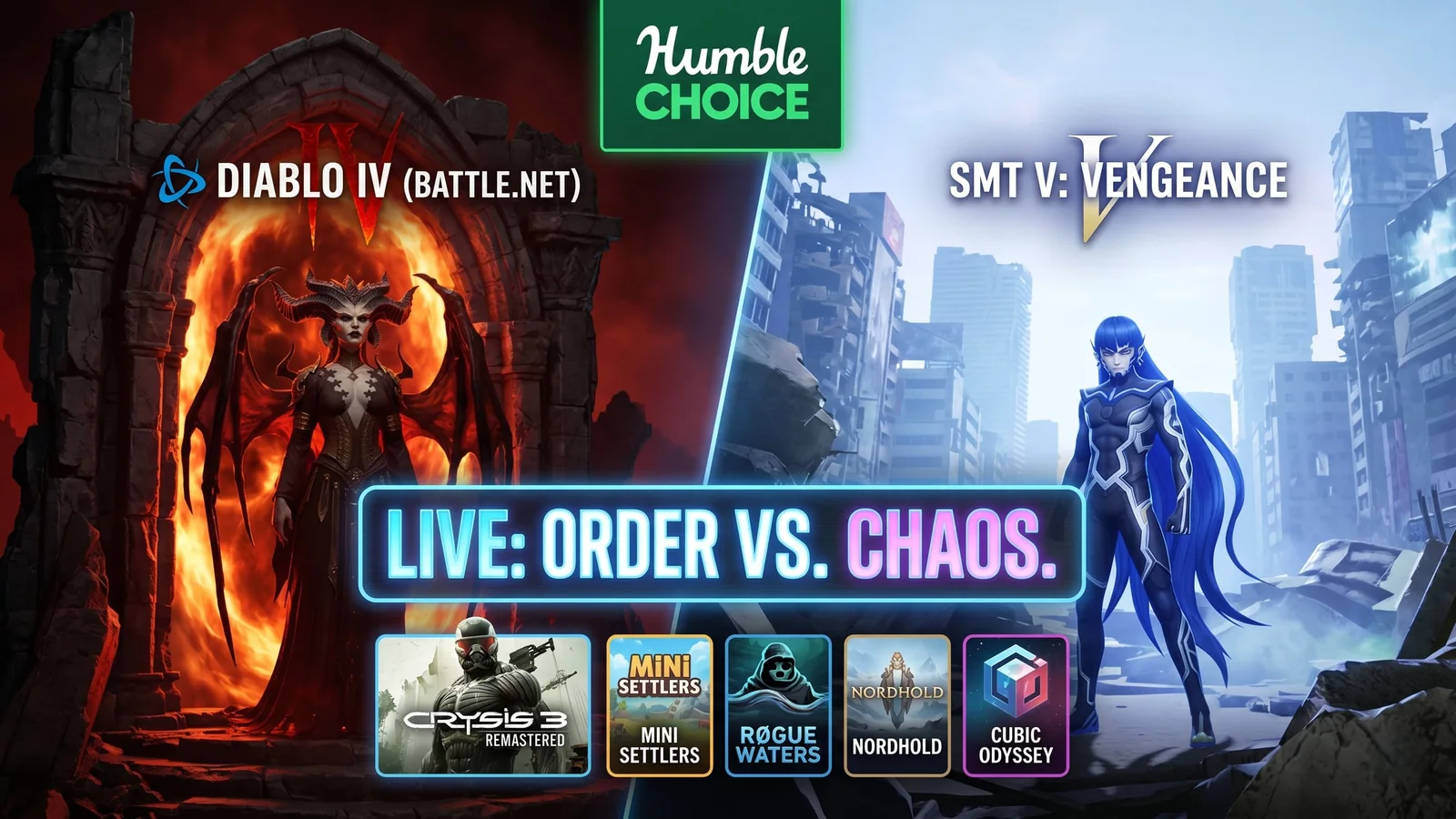
Humble Choice May 2026 Is Live With Diablo IV and SMT V
Humble Choice May 2026 is live with Diablo IV, Shin Megami Tensei V: Vengeance, Crysis 3 Remastered, and more. Here’s the full lineup, the key details, and whether this month is worth claiming.
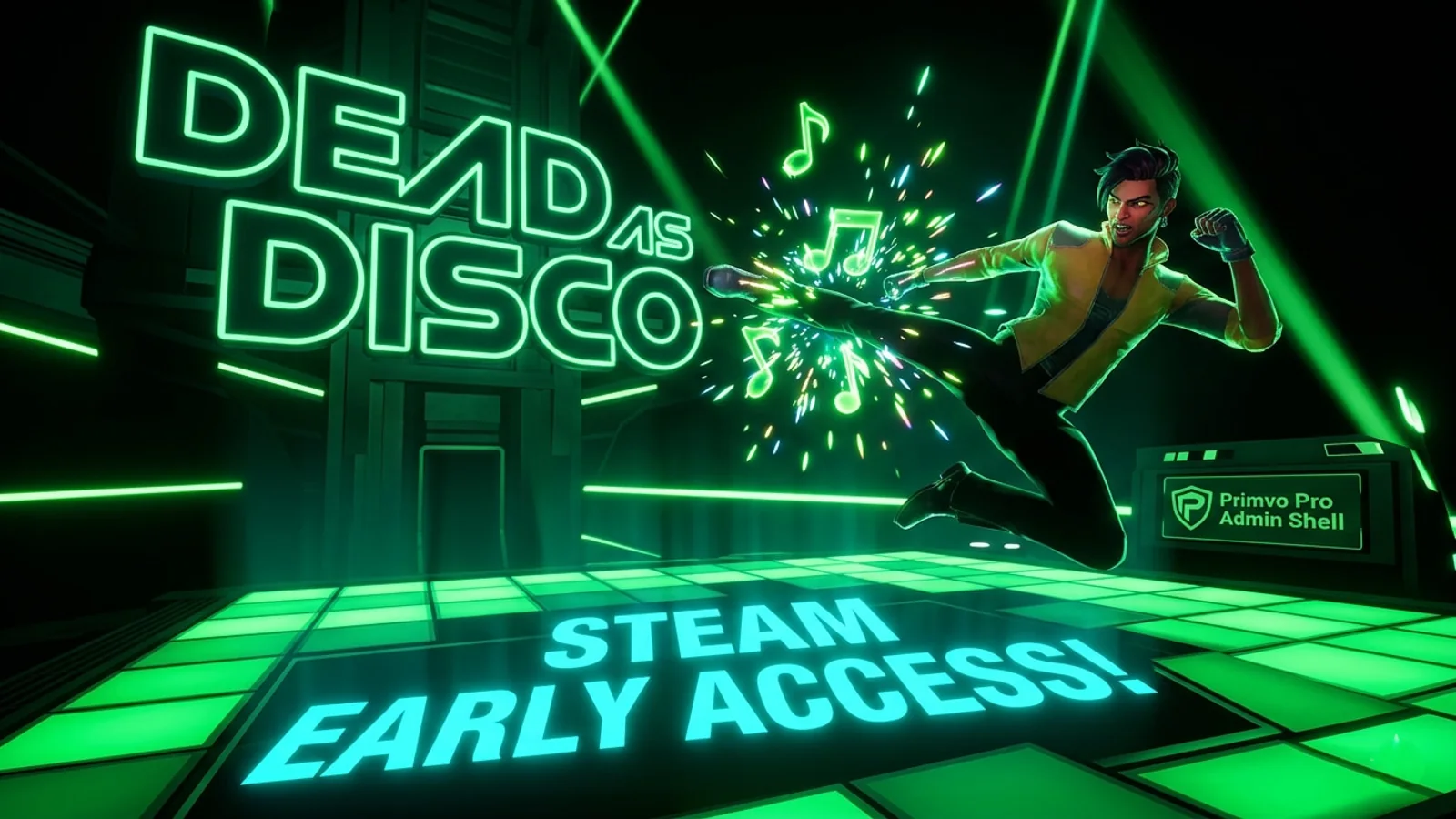
Dead as Disco Early Access Launches Today: The Viral Rhythm Fighter Hits Steam
Dead as Disco enters Early Access today with beat-synced combat, custom music support, boss battles, and viral momentum from more than one million demo players.
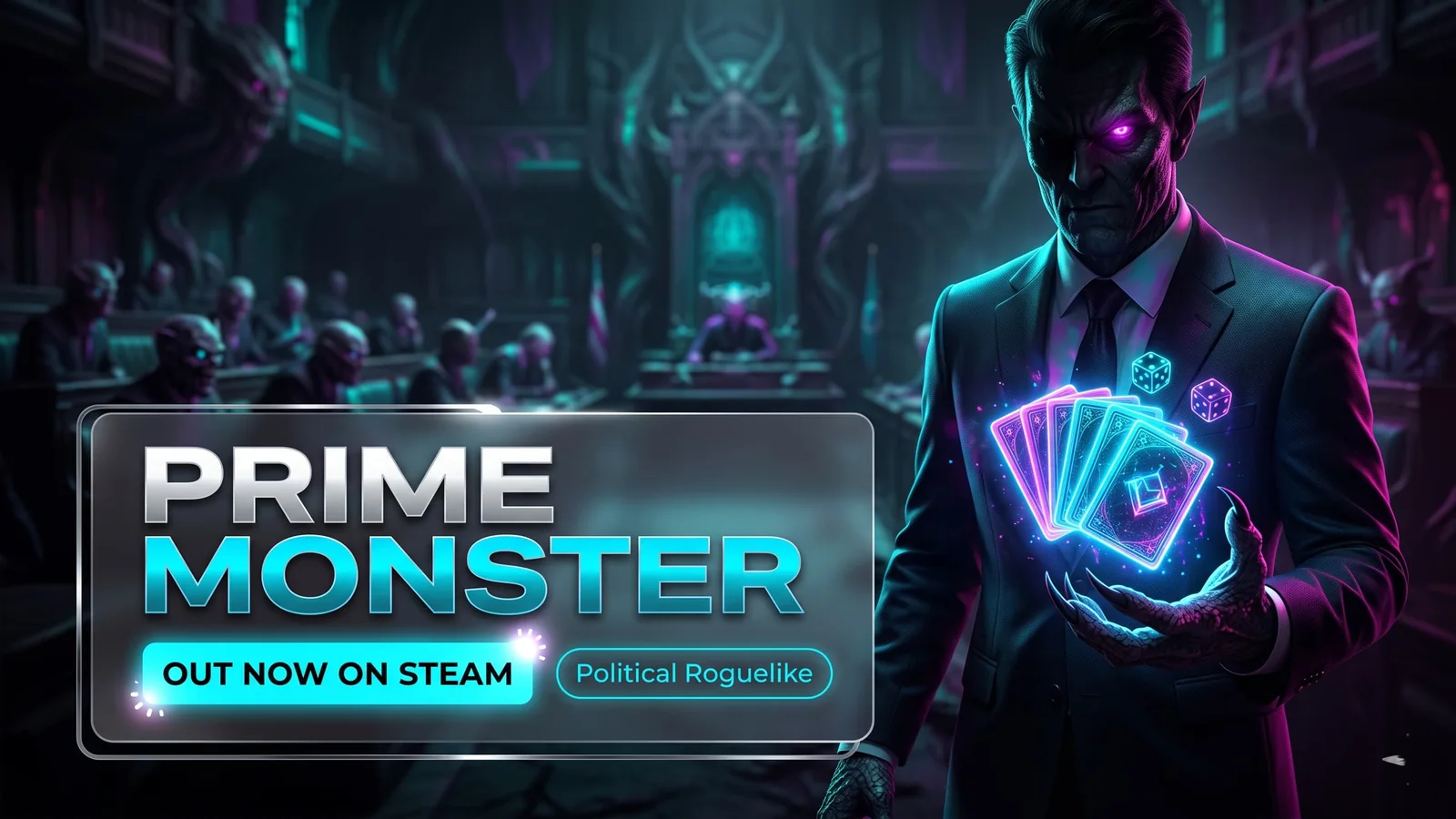
Prime Monster Out Now: The Political Roguelike Drops on Steam
Prime Monster has launched on Steam, giving strategy fans a strange new political roguelike where cards, scandals, monsters, and power plays decide who survives parliament.
MOTORSLICE Launches Today: Chainsaw Parkour Meets Giant Machine Bosses
MOTORSLICE launches today with a sharp mix of parkour traversal, chainsaw combat, giant construction-machine bosses, and a brutalist post-apocalyptic setting.

3 Major Games Launch Today: Wax Heads, MOTORSLICE, and Dead as Disco Lead May 5
May 5 brings three very different launches: Wax Heads for cozy record store fans, MOTORSLICE for chainsaw parkour action, and Dead as Disco for rhythm combat players.
Horizon Hunters Gathering Second Playtest: Dates, Sign-Up, PS5 and PC Details
Guerrilla’s Horizon Hunters Gathering gets a second closed playtest from May 22 to May 25, with PS5 and PC access, new Hunters, a playable Episode, and a new region.